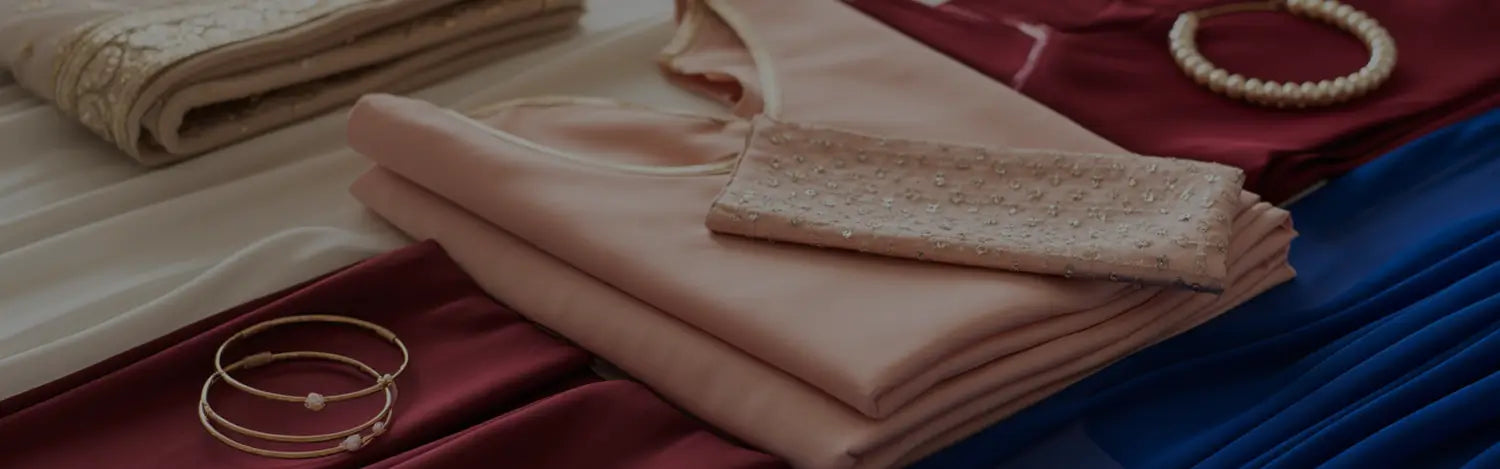

Guru Purnima Outfit Ideas: Traditional Ethnic Wear
Guru Purnima doesn't come with the same styling pressure as a wedding or a big family reception. And honestly, that's what makes it a little tricky. You want to look respectful and traditional, but you also don't want to show up overdressed for what is, at its heart, a spiritual occasion. Most women end up either reaching for something too casual or going too festive. The sweet spot is simpler than you'd think.
What Makes a Good Guru Purnima Outfit
Think about the occasion first. Guru Purnima is a day to honour your teachers, your gurus, and the tradition of learning itself. It usually involves a puja, some time at a temple or ashram, and often a quiet family gathering. Your outfit should reflect that energy — grounded, clean, and genuinely traditional.
Three qualities matter most here: modest silhouette, light fabric, and muted or spiritual colour palette. You're not dressing for a sangeet. You're dressing for devotion.
The common mistake here is treating it like any other festive occasion and pulling out a heavily embroidered lehenga or a bold red outfit. Save that for Navratri or Diwali. Guru Purnima deserves something quieter.
The Best Colours to Wear
Pastels are your best friends for this day. Soft yellow, off-white, cream, lavender, powder blue, and mint all work beautifully. White on its own is perfect if you're comfortable wearing it. Some women prefer to avoid white if they associate it strictly with mourning in their regional tradition — in that case, cream or very light yellow is a graceful alternative.
What actually works is pairing a pastel base with a subtle contrast border. A cream saree with a soft gold border, or a lavender kurti with ivory embroidery, hits exactly the right note.
Avoid deep reds, dark navies, heavy blacks, or anything with large floral digital prints. Those read as party wear, not puja wear.
| Colour | Why It Works | Best Paired With |
|---|---|---|
| Soft Yellow | Auspicious, bright without being loud | Gold zari border, small jhumkas |
| Cream or Off-White | Pure, traditional, universally appropriate | Chikankari embroidery, temple jewellery |
| Lavender | Calm and graceful, suits most skin tones | Silver or pearl accessories |
| Mint Green | Fresh, modest, works well in summer heat | Minimal gold, cotton or chanderi fabric |
Saree Options That Feel Right for the Day
A saree is the most natural choice for Guru Purnima. It's traditional, it drapes beautifully for a puja setting, and it works across every age group.
Lightweight Silks
You don't need a heavy Kanjeevaram for this occasion. A soft chanderi silk or a light Banarasi in a muted shade is ideal. These fabrics have just enough sheen to look considered without feeling overdressed. Explore lightweight silk sarees in pastels and soft weaves — chanderi and georgette silk options work especially well for day pujas when you'll be sitting on the floor or moving around.
If you do go with a Kanjeevaram, choose one in a softer palette rather than the classic deep jewel tones. A pale gold or ivory Kanjeevaram with a traditional weave is stunning and perfectly appropriate.
Cotton and Chanderi for Warmer Days
Guru Purnima falls in July, during the monsoon season. It's humid. A heavy silk in the middle of July heat is genuinely uncomfortable, and that discomfort shows. Cotton sarees, linen sarees, or chanderi blends are about 40% lighter on the body and let you stay composed through a long puja without constantly adjusting your drape.
A Bengali woman might choose a white cotton saree with a red border — that's deeply traditional for her and entirely appropriate here. A South Indian woman might prefer a silk saree with a gold kasavu border in cream or pale yellow, which sits beautifully in any puja context. North Indian women often go with a printed chanderi or a soft georgette with minimal embroidery.
Light Suits and Kurti Sets — A Practical Alternative
Not everyone is comfortable managing a saree through a long morning puja. That's completely fine. A well-chosen suit or kurti-pant-dupatta set is equally appropriate and genuinely comfortable for this occasion.
What Silhouette to Choose
Stick to straight-cut or A-line kurtas. Floor-length anarkalis also work beautifully if you prefer a more formal look. Avoid crop tops with skirts or very fitted kurtas — the silhouette should feel modest and relaxed, not styled for a night out.
For the dupatta, keep it on. A dupatta draped over the head during the puja is both respectful and traditional. Choose a dupatta in the same fabric as the kurta or a complementary soft tone.
Body Type Considerations
- Petite frames: A straight-cut kurti hitting at the hip with a slim pant works better than a wide palazzo. The vertical line elongates your silhouette without effort.
- Pear-shaped bodies: A slightly flared A-line kurta that skims the hips and falls to the knee is your most flattering option here.
- Apple-shaped bodies: An empire-waist anarkali in chanderi or georgette is both comfortable and graceful — the flare below the bust creates a lovely silhouette.
- Hourglass figures: You can wear almost any silhouette. A fitted straight kurta with a churidar shows your shape beautifully and remains puja-appropriate.
If you're building your festive wardrobe beyond just this occasion, our complete Indian festive wear guide covers how to dress across every major occasion — it's a genuinely useful reference to keep handy.
Jewellery and Finishing Details
Keep it minimal. This isn't the occasion for your heaviest necklace set or cocktail earrings. Small gold jhumkas, a simple chain, thin bangles, and maybe a bindi — that's all you need. Temple jewellery in antique gold also works beautifully with both sarees and suits.
Most women forget about footwear on puja days. You'll be removing your shoes at the temple or prayer space, so choose something easy to slip on and off. Clean flat sandals or embroidered juttis are ideal.
For hair, a low bun or a simple braid keeps things tidy and traditional. A jasmine gajra adds a genuine touch of devotion without any effort.
Quick Budget Guide
| Budget Range | Best Outfit Choice | What to Look For |
|---|---|---|
| Under Rs.2,000 | Cotton kurti-pant set | Pastel shade, minimal print, full dupatta included |
| Rs.2,000 to Rs.5,000 | Chanderi or georgette saree | Zari or embroidered border, soft colour |
| Above Rs.5,000 | Silk saree or embroidered anarkali | Quality weave, considered embroidery, heirloom feel |
Hansh Couture has options starting at Rs.999 with free pan-India shipping, so you don't need to compromise on quality to stay within budget. Full-stitched suits are available too, which saves you the last-minute tailoring rush before the festival.
Guru Purnima is one of those occasions where simplicity genuinely is the point. A clean, traditional outfit in a soft colour, worn with care and intention, will always look right. You're not trying to impress anyone — you're showing up with grace. That's enough.